

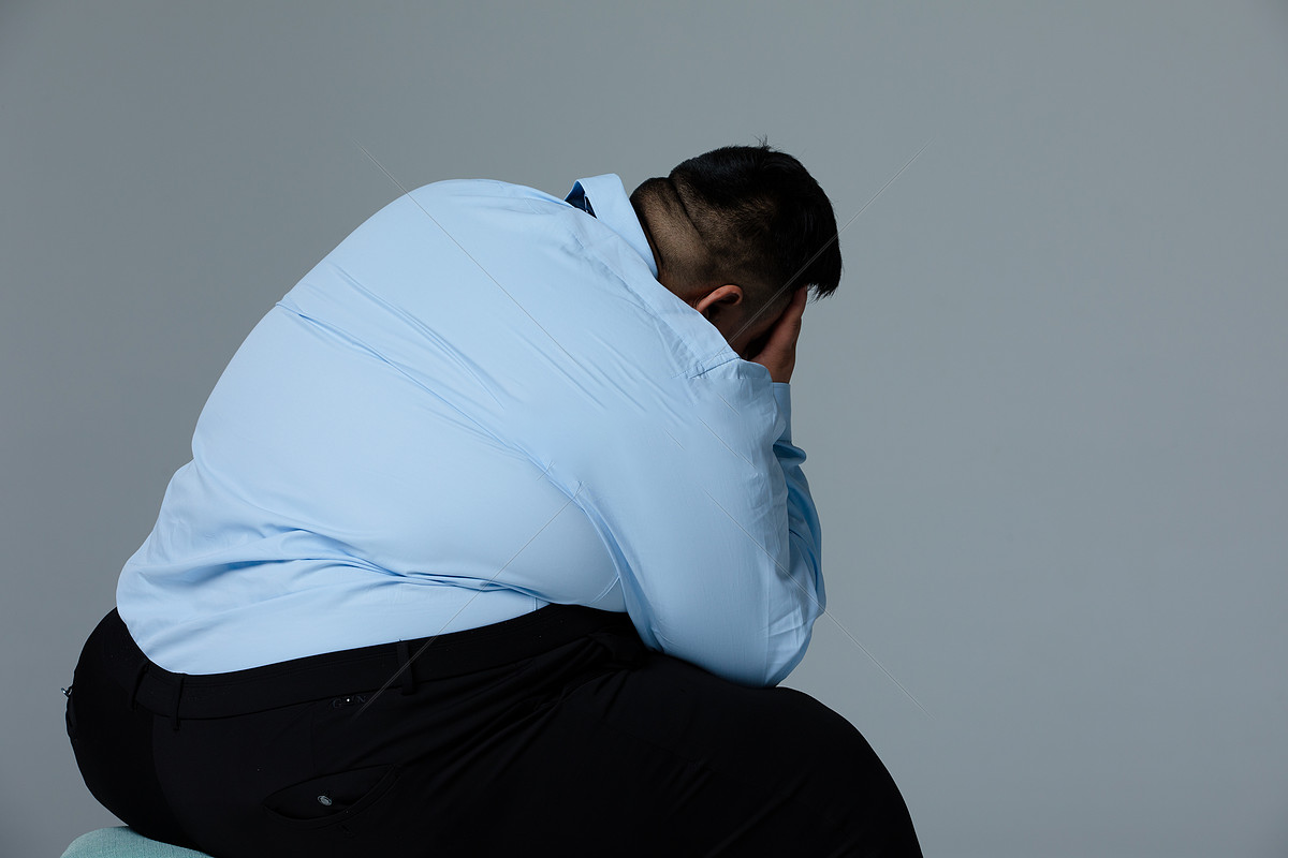
- Psychological Factors: Self-Esteem and Self-Image
Low Self-Esteem: Obese individuals often experience low self-esteem due to societal prejudices and negative self-image. This low self-esteem increases the risk of depression. - Social Isolation
Discrimination and Isolation: Obese individuals may face increased social isolation and discrimination, leading to higher psychological stress and, consequently, depression. - Physiological Factors: Inflammation and Hormones
Chronic Inflammation: Both obesity and depression are associated with chronic inflammation. Fat cells in obese individuals secrete pro-inflammatory factors that can affect brain function and mood.
Hormonal Changes: Hormonal imbalances due to obesity can influence brain function, contributing to depressive symptoms. - Neurotransmitters
Neurotransmitter Imbalance: Obesity and depression may both disrupt the balance of neurotransmitters in the brain, such as serotonin and dopamine, which are crucial for regulating mood and feelings of pleasure. - Lifestyle Factors: Diet and Exercise
Unhealthy Habits: Poor dietary habits and lack of exercise are both causes of obesity and triggers for depression. These factors can create a vicious cycle where depression leads to further unhealthy habits and weight gain. - Medication Factors: Side Effects
Medication Side Effects: Some medications used to treat depression can cause weight gain, and treatments for obesity (including medications and surgery) can also impact mental health. - Genetic Factors: Genetic Influence
Genetic Predisposition: Research suggests that certain genes may simultaneously influence the development of both obesity and depression, increasing the likelihood of both conditions occurring in the same individual.
Comprehensive Intervention
The relationship between obesity and depression is multifaceted, involving psychological, social, physiological, and lifestyle factors. Effective interventions should take these various aspects into account and provide personalized treatment and support. This holistic approach can help address the interconnected nature of these conditions and improve outcomes for individuals affected by both obesity and depression.